Ankle Vs. pothole
Last fall, I learned a lesson the hard way.
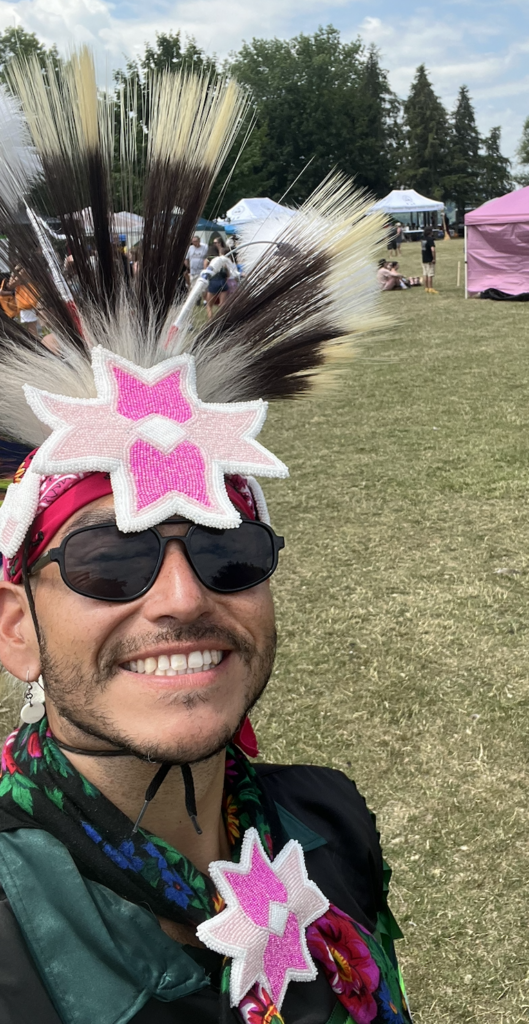
I was grass dancing at the Toronto Metropolitan University powwow. Like many powwows, there was a rush leading up to Grand Entry. I was excited, moving quickly, and—like many dancers—more focused on getting into the circle than warming up properly.
Then it happened.
During the first song, I stepped into a small pothole and my ankle rolled hard. Within moments I felt the consequences: pain, swelling, and difficulty putting weight on my foot. What started as excitement quickly turned into frustration. Walking, running, dancing—even sitting comfortably—became difficult.
Thankfully, a friend who had previously trained in acupuncture was nearby. He assessed my ankle and treated it using acupuncture. The relief was noticeable almost immediately. The pain decreased and I was able to walk without assistance. That experience stuck with me. It was the moment I realized how powerful this approach to care could be.
That injury and the treatment that followed ultimately led me to deepen my own training.
Neurofunctional Acupuncture Expanding my Knowledge
Over the past three months, I’ve been enrolled in the McMaster University Neurofunctional Acupuncture program. The course has been an incredible opportunity to refine my clinical knowledge, strengthen my anatomy skills, and learn how acupuncture can be integrated into modern healthcare practice.
Neurofunctional acupuncture bridges traditional acupuncture concepts with contemporary science. Instead of relying solely on traditional theory, this approach combines detailed anatomical knowledge, neurological pathways, and functional assessments to guide diagnosis and treatment planning. The goal is always the same: improve patient outcomes through precise, evidence-informed care.
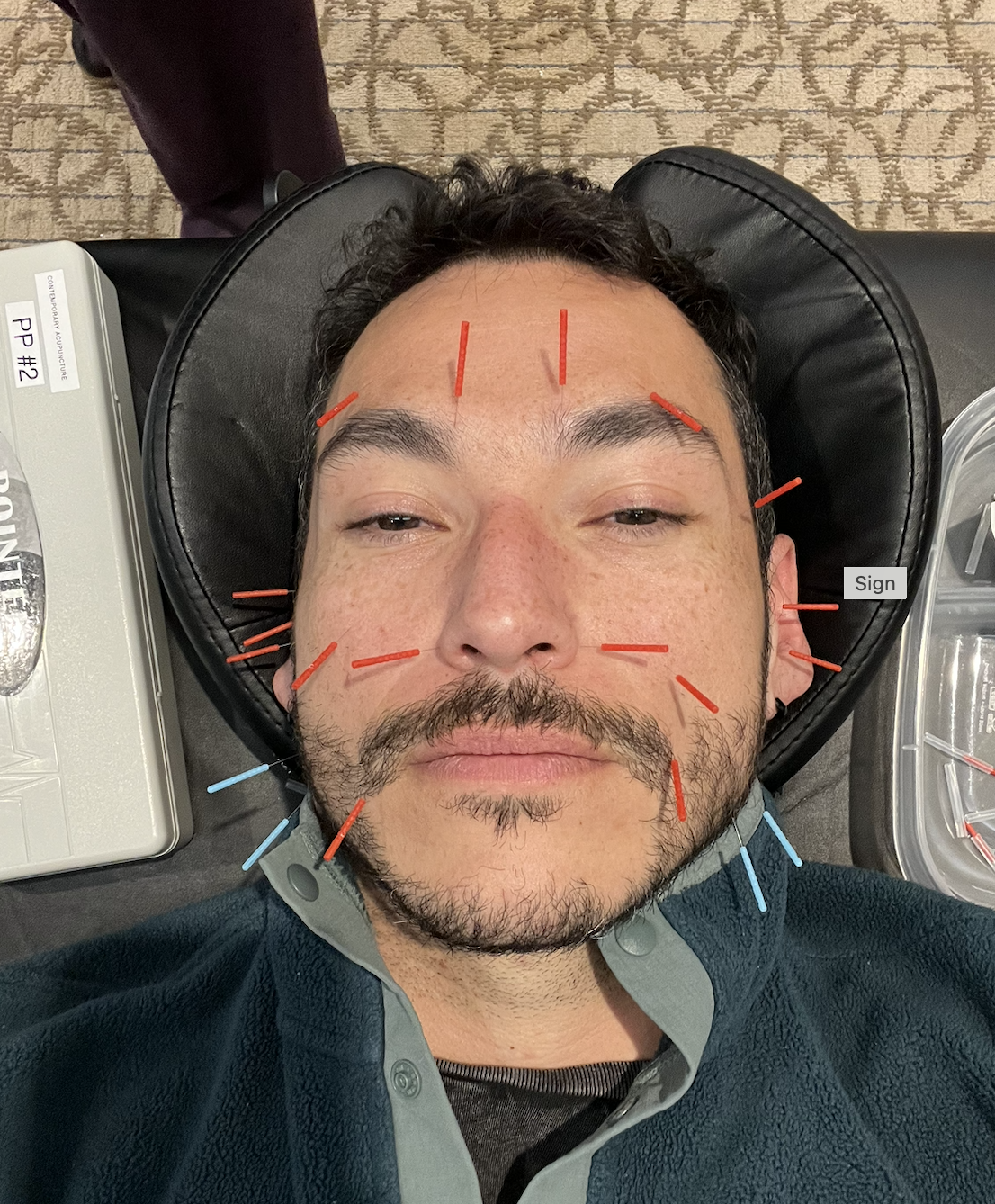
Throughout the program, I spent time reviewing anatomy, practicing point location, and learning safe needling techniques. Much of this involved practicing on myself and colleagues, along with learning how electrical stimulation can be used alongside acupuncture to support muscle activation, pain modulation, and tissue recovery.
Why Neurofunctional Acupuncture and Bringing this to my Practice
One of the most rewarding parts of the course was how it reinforced something I see every day in clinical practice: the human body is deeply interconnected.
Pain and dysfunction rarely have a single cause. Trauma, stress, physical activity, lifestyle, and genetics all influence how the body adapts and compensates over time. Neurofunctional acupuncture helps address these factors by targeting specific neural and muscular structures that contribute to pain and movement limitations.
In many cases, acupuncture can help with:
- 1) Pain modulation
- 2) Muscle relaxation or activation
- 3) Improved circulation and tissue healing
- 4) Regulation of the nervous system
My goal has always been to provide proactive, accessible care that supports long-term health and well-being. Adding neurofunctional acupuncture to my clinical toolbox allows me to expand the ways I can help patients manage pain, recover from injuries, and improve movement.
Sometimes the most meaningful learning experiences come from unexpected moments—like stepping into a pothole during a powwow.
That injury reminded me how quickly our bodies can change, but also how powerful the right treatment can be in helping us recover.
And it’s exactly why I’m excited to bring these skills into practice.
Miigwech Miinwaa Baamaapii,
Dr. Chett